You can’t remember what it feels like for your mind to be quiet.
rTMS for Anxiety: Rewiring the Brain at Its Root · London
Maybe it's a low hum that never quite switches off, or something sharper: a racing heart at 3am, a knot that tightens before you've even worked out why. You may have tried medication, therapy, or both, and still feel like you're bracing for something. Some days you look fine from the outside. Underneath, you're exhausted from holding it together.
Anxiety has a neurological signature, not just a feeling. The brain circuits that govern threat response and nervous system regulation can become overactive and hard to settle through conventional means alone. rTMS is a drug-free treatment that works directly on those circuits with gentle, targeted magnetic pulses. For some people it follows medication and therapy. For others, it's where they choose to begin.
Consultant-psychiatrist ledOne small clinical team
Heart-brain couplingPersonalised targeting
Your first step
Book your complimentary discovery call with one of our clinicians
A 30-minute conversation with one of our specialist clinicians about what you're dealing with, what's been tried, and whether rTMS could help. No obligation, and if it's not right for you, they'll tell you.
Naya Health is a CQC-registered precision brain health clinic in Marylebone, London. We provide drug-free rTMS for anxiety, PTSD and panic disorder, guided by NayaScore™, our own brain health assessment. Your first call is free.
Calming the circuit
rTMS gently targets the areas linked to worry, helping the brain find a steadier rhythm.
Who it's for
Does this sound familiar?
You feel like your alarm system is always switched on, even when nothing's actually wrong.
Your mind races at 3am, going over things you can't fix at that hour.
You've tried medication, therapy, or both, and something still hasn't settled.
It's affecting your relationships, because the people closest to you can feel it too.
You function well on the outside, but it takes everything you have to keep it that way.
If any of these feel familiar, a free call is a good place to start. You don't need a GP referral.
What Naya patients report
93%would recommend Naya
77%report their symptoms improved
81%report a better quality of life
Every patient with a mood-related condition we’ve followed up with would recommend Naya, and 82% report a better quality of life.
From Naya patients we’ve followed up with, 2026. Everyone’s experience is different.
Where we work
Different areas. Different roles.
Mood, worry, focus and pain each lean on different brain networks. Your assessment and heart-brain coupling help decide where we stimulate.
Anxiety & PTSD
Linked to how we react to threat and stress. Gentler protocols here can be considered for anxiety.
An illustration, not a scan. Your clinician explains the evidence for your condition.
Heart-brain coupling: your heart's response helps confirm the target.
Calming the circuit
At Naya Health, we use precision rTMS to restore and regulate the neural circuits underlying anxiety.
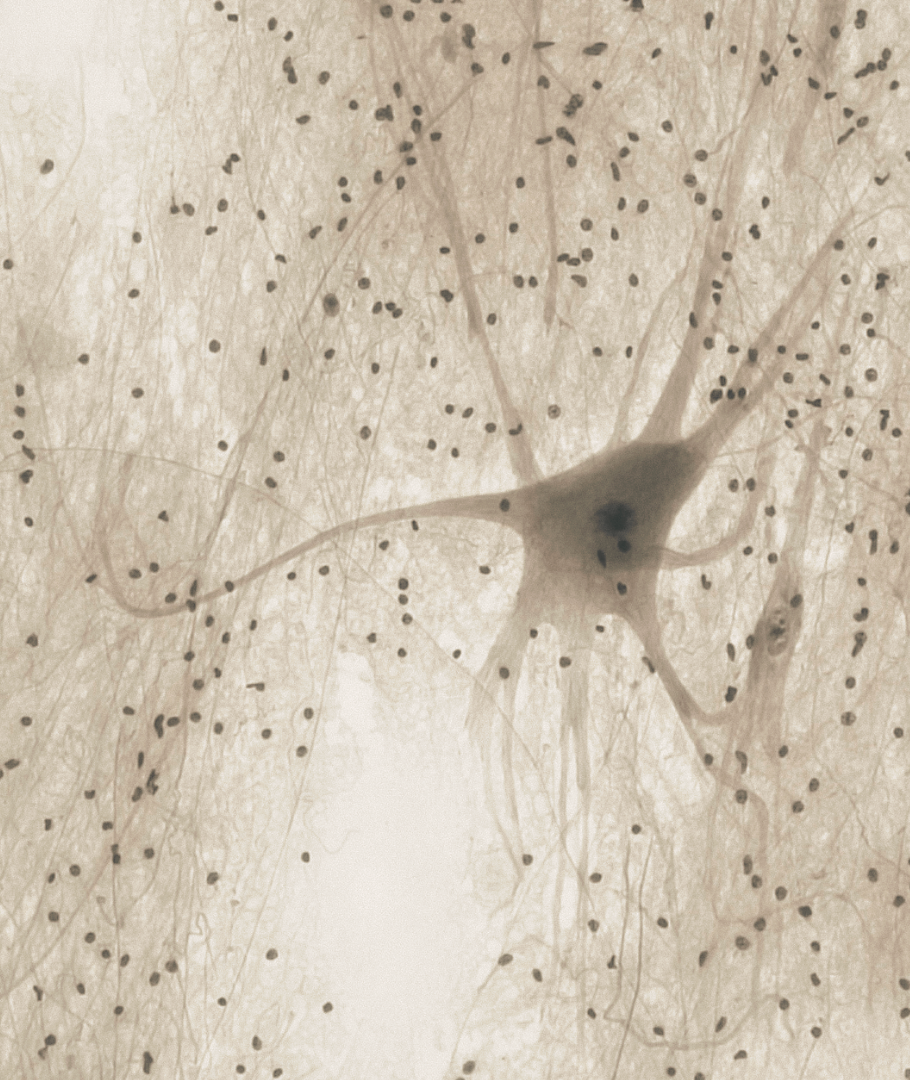
The brain is plastic. Anxiety circuits can be remapped.
Read more
At Naya Health, we use precision rTMS to restore regulation to the fear circuits in the brain that drive anxiety. Gentle, targeted magnetic pulses work directly at the neural level, calming overactive threat pathways and retraining the nervous system toward safety.
Non-invasive, drug-free, and guided by objective measurement throughout.
For those looking to restore calm at its neurological source, or where anxiety disorder medication and therapy alone have not brought lasting resolution, Naya offers something different: precision care at the neurological root.
Precision Anxiety Treatment · London
There is a neurological reason anxiety persists. And a neurological way to restore it.
Anxiety has a neurological signature.
Read more
Anxiety has a neurological signature. The fear circuits in the brain that govern threat response, mood and nervous system regulation can, over time, become dysregulated and difficult to settle through conventional means alone.
Transcranial magnetic stimulation for anxiety uses gentle, focused magnetic pulses to stimulate targeted regions of the brain, restoring balance to these circuits from within. Repeated sessions directly drive neuroplastic change, gradually rewiring patterns of chronic threat response and restoring the brain’s capacity to regulate itself.
At Naya, every treatment is built around the individual. Target brain areas are guided by neurocardiac rTMS and informed by each patient’s NayaScore™, an objective measure of brain health, ensuring stimulation reaches the precise circuits involved in their presentation. Before each session, NayaState™ prepares the brain and nervous system to receive treatment, optimising conditions for change.
A precision rTMS clinic in London
A London Anxiety Clinic Built on Precision rTMS
The brain is plastic. It can be measured, rewired, and restored.
Read more
Naya Health is a precision neuromodulation clinic based in Marylebone, London. We work with a range of anxiety presentations, including generalised anxiety disorder, social anxiety, panic disorder, treatment-resistant anxiety, and anxiety presenting alongside depression or chronic fatigue .
Treatment is led by expert clinicians and consultants, alongside a specialist team of neuromodulation practitioners. Every protocol is personalised, mapped to each patient’s NayaScore™ baseline, and refined as we restore and regulate the neural pathways driving your anxiety.
TMS therapy for anxiety is supported by a compelling and growing evidence base. rTMS has been recommended by NICE for depression since 2015. For anxiety the evidence is growing: a 2021 meta-analysis (Vergallito et al.) found significant reductions in anxiety symptoms. Non-invasive, drug-free, and with minimal side effects. Most patients complete up to 20 sessions.
When anxiety persists
Anxiety is one of the most common yet least resolved conditions in modern medicine.
Medication and therapy have an important role to play, and for many they bring meaningful relief.
Read more
380 million people worldwide live with anxiety. Medication and therapy have an important role to play, and for many they bring meaningful relief. For a significant number of people, however, anxiety persists despite treatment.
Every presentation
rTMS for Anxiety: Precision Care for Every Presentation
Find the presentation that sounds most like you. Open each card for the detail.
When anxiety has persisted despite treatment
A different route when something still remains unresolved.
Read more
For those who have tried medication, therapy, or both, and found that something still remains unresolved, precision rTMS for anxiety offers an alternative route. Working at the neurological root of anxiety, it addresses the circuitry gently, precisely, and guided by objective measurement at every stage.
High-functioning anxiety treatment: when the nervous system never quite settles
When the nervous system never quite settles.
Read more
For many people, anxiety lives in the quality of sleep, the difficulty of switching off, the quiet tension that persists beneath even the calmest days. NayaScore™ makes that experience measurable. Precision rTMS gives us a clinical pathway to restore regulation at its neurological root.
Treatment-resistant anxiety and depression
Anxiety and depression do not always arrive separately.
Read more
Anxiety and depression share overlapping neural circuits, and for many people they do not arrive separately. Naya’s precision neuromodulation approach works across the shared circuitry underlying both conditions, with each protocol personalised to your NayaScore™ baseline and refined with care throughout your programme at our London clinic.
What the evidence says
Our results, then the research
Our patients
Every patient with a mood-related condition we've followed up with would recommend Naya, and 82% report a better quality of life.
The research
A 2021 review found significant reductions in anxiety symptoms. European expert guidelines (2020) rate rTMS as probably effective for PTSD.
Our figures come from an early, growing patient dataset, not a controlled trial. Individual results vary, and your clinician will check if rTMS could be suitable for you.
NAYASCORE™ IS PROPRIETARY TO NAYA HEALTH AND UNAVAILABLE AT ANY OTHER CLINIC
NayaScore™: what objective measurement makes possible
NayaScore™: Objective Measurement at Every Stage of Your Anxiety Treatment
NayaScore™ brings an objective layer to this picture.
01
Precision targeting
Your rTMS protocol is mapped to the specific circuits involved in your anxiety presentation, ensuring stimulation reaches exactly where it is needed.
02
Objective evidence of change
As treatment for anxiety progresses, NayaScore™ tracks how your brain is responding, giving you a clear, measurable picture of what is shifting, independent of how you feel on any given day.
03
A shared clinical picture
Your NayaScore™ data is visible to your wider clinical team, whether that is your GP, psychiatrist or therapist, creating a joined-up view of your neurological health.
04
A longitudinal record of your brain health
NayaScore™ builds over time, tracking your neurological baseline across months and years, so that changes are identified early and responded to with precision.
Read more
Most anxiety assessments rely on self-reported questionnaires. These have value, but they capture how anxious you feel rather than the neurological factors generating that anxiety.
NayaScore™ brings an objective layer to this picture. Drawing on heart rate variability, cognitive function, metabolic markers and clinical assessment, it builds a precise neurological baseline that reflects your brain’s true regulatory capacity, a measurable foundation from which to restore, regulate and rewire.
Tracked and updated throughout your anxiety treatment in London, NayaScore™ gives you and your clinical team a clear, longitudinal view of how your brain is responding, where it is heading, and what is changing beneath the surface.
CQC-registered clinic (at Until, Marylebone)
8,000+ treatments delivered by our practitioners
Clinical team led by a consultant psychiatrist
Marylebone, next to Selfridges
As featured in
Precision, made personal
Your brain. Your heart. Your treatment.
Most clinics treat a standard spot. At Naya, we look for the target that fits you.
Heart-brain coupling uses your heart’s response to stimulation to help identify a target connected to the brain’s regulatory networks. Your clinical assessment and NayaScore™ baseline bring the wider picture into focus.
A targeting tool within your clinical plan, not a guarantee of a better outcome. Your clinician will explain the evidence for your condition.
A free 30-minute call with a clinician about what you've been living with and what you've tried.
02
Step 2: A doctor consultation
If rTMS looks right for you, you'll speak with one of our doctors.
03
Step 3: Initial Consultation and Assessment
Every treatment journey at Naya begins with a NayaScore™ assessment, an objective, multi-domain measure of your brain health and regulatory capacity.
04
Step 4: Your Personalised rTMS Programme
You will complete up to 20 sessions at our London clinic in Marylebone, each lasting around 30 minutes.
05
Step 5: Ongoing Measurement and Next Steps
Your NayaScore™ is tracked and updated throughout your programme, giving you and your clinical team a clear, longitudinal view of how your brain is restoring and rewiring.
Our clinic was designed by neuroscientists to help you feel at ease, from the scent and temperature to music, or silence if you prefer. Tea, coffee and water are on hand, and you're welcome to bring a friend or relative.
Safety
Safe, Gentle, and Well Tolerated
rTMS is extremely safe and one of the most well-tolerated approaches to treating anxiety available. Its safety profile is among its most significant clinical advantages, particularly for those for whom anxiety disorder medication has not been the right path.
Where side effects occur, they are mild and transient. The most commonly reported are a mild headache on the night of treatment, or some fatigue, which can easily be addressed by reducing the frequency of sessions.
Read more
The only significant risk is a seizure, and it is very rare: about 0.003% of sessions, or roughly 1 in 33,000 (a conservative figure). When one does occur, it is brief, stops on its own and leaves no lasting harm. We have never seen one at Naya Health.
Before you start, your doctor checks your medical history, your medication and any personal or family history of epilepsy, to look for anything that could raise your individual risk. The only absolute contraindication is metal plates or implants in the head, which your clinician will screen for.
Simple pricing
One clear price, agreed up front
From £3,975 for the first ten sessions
or £662.50 a month for 12 months at 0% with Humm
Insured patients
Naya is recognised by WPA for every condition we treat. Other insurers by application; Bupa Global and Cigna consider every condition. We’ll support your application.
0% APR representative. Finance is provided by Humm. All applications are made directly with Humm and are subject to status and approval. You must be 18 or over and a UK resident.
The science, simply
Interested in the detail?
How rTMS works for anxiety, what the research shows and how we choose where to treat. Each answer opens up if you'd like to read more.
Evidence
The Evidence
The evidence base for rTMS in anxiety is growing and encouraging.
Read more
The evidence base for rTMS in anxiety is growing and encouraging. A systematic review and meta-analysis by Parikh et al. (2022), published in the International Journal of Neuropsychopharmacology, found a robust effect of rTMS in generalised anxiety disorder, with significant reductions in anxiety symptoms across studies.2
Heart-brain coupling for personalised rTMS
The heart-brain connection: personalised rTMS guided by your biology
Precision care of this kind means treatment is selected based on measurable physiological response, not protocol convention.
Read more
The relationship between the heart and the brain runs deeper than most people realise. The neural networks that govern threat response, stress and emotional regulation are the same networks that control autonomic cardiac function. In anxiety, this system is frequently dysregulated, and the heart provides a measurable, accessible window into that state.
At Naya, we use this connection to guide precision rTMS. By measuring heart rate response across multiple stimulation sites, we identify the precise target that most effectively engages each individual’s regulatory brain network. Precision care of this kind means treatment is selected based on measurable physiological response, not protocol convention.
Naya is currently the only clinic in the UK offering neurocardiac-guided rTMS.
Your questions
Questions people often ask
What anxiety treatments are available without medication in the UK?
There are several clinically grounded, drug-free approaches to anxiety available in the UK, including cognitive behavioural therapy, mindfulness-based interventions, and rTMS. rTMS is the only one that works directly at the neural circuits driving anxiety, using gentle magnetic pulses to restore regulation at the neurological level. It is non-invasive, requires no recovery time, and is available privately at Naya Health in London.
What is high-functioning anxiety and can it be treated?
High-functioning anxiety often goes unaddressed precisely because it is hard to name. It shows up in disrupted sleep, difficulty switching off, and a persistent low-level tension that never quite settles. At Naya, NayaScore™ makes that experience measurable, and precision rTMS offers a clinical pathway to restore regulation at its neurological root.
How many rTMS sessions are needed for anxiety?
Most people complete a course of between 10 and 20 sessions, each lasting around 30 minutes. With multiple sessions possible in a single day, some complete their course in as little as a week. Others spread treatment over several weeks. Early changes are often noticed from sessions five to ten onwards. The exact number depends on your presentation, the protocol used, and how your brain responds.
Can rTMS treat treatment-resistant anxiety?
For those who have tried medication, therapy, or both, and found that anxiety has not fully resolved, rTMS offers an additional route. Working directly at the neural circuits involved in threat response and emotional regulation, it addresses the condition at a different level, complementing what has come before rather than replacing it. The evidence base for rTMS in anxiety is growing and encouraging, and at Naya our neurocardiac-guided approach further personalises treatment to each individual's biology.
Can rTMS help with anxiety and depression together?
Yes. Anxiety and depression frequently coexist, and they share overlapping neural circuits: the same regulatory pathways involved in mood, threat response and emotional regulation. rTMS targets those circuits directly, and the evidence base for depression specifically is well established, with rTMS recognised by NICE and supported by decades of clinical research. Where anxiety and depression present together, the same precision neuromodulation approach addresses the shared circuitry underlying both.
Has anxiety treatment worked for people when medication didn't?
For many people at Naya, yes. Medication and therapy have an important role to play, and for many they bring meaningful relief. For those for whom anxiety has not fully resolved, rTMS offers a different point of entry, working at the neural circuits involved in threat response and emotional regulation rather than neurochemistry alone.
Do I need a referral from my GP?
No. You can come to us directly, or your GP, psychiatrist or another clinician can refer you, whichever is easier. Before any treatment starts, you'll have a consultation with one of our doctors to go through your medical history and make sure rTMS is right for you.
Is rTMS safe for anxiety and PTSD?
Yes. rTMS is well tolerated, with a strong safety record. The most common side effects are mild scalp discomfort or a headache, which usually settle quickly. Seizures are very rare: about 0.003% of sessions, or roughly 1 in 33,000, and we have never seen one at Naya Health.
Will my insurance cover it?
Naya is recognised by WPA for every condition we treat. Other insurers, including Bupa Global and Cigna, consider cover by application; we can help you check your policy and guide you through the process; we provide itemised invoices and a doctor's letter to help.
What if I'm in crisis?
Naya Health is not an emergency service. If you or someone else is in immediate danger, call 999 or go to A&E. For urgent help, call NHS 111 and choose the mental health option, or call Samaritans free on 116 123, any time.
Not sure if it's right for you?
You've carried this long enough.
Tell us a little about where you are. A clinician will call, tell you more about rTMS and whether it could help. It's free, and there's no obligation.
Naya Health is not an emergency service. If you're in crisis or thinking about harming yourself, call 999 if you're in immediate danger, NHS 111 and choose the mental health option, or Samaritans free on 116 123, any time.