About rTMS
What is rTMS (repetitive Transcranial Magnetic Stimulation) in simple terms?
rTMS uses gentle, targeted magnetic pulses, delivered through a coil held near your head, to stimulate the brain networks linked to your symptoms.
You stay awake and comfortable throughout. Some people notice mild scalp discomfort or a headache. Your clinician will talk you through the risks, your suitability and the evidence for your condition.
What is the rTMS mechanism of action?
This explanation is mainly for medical professionals.
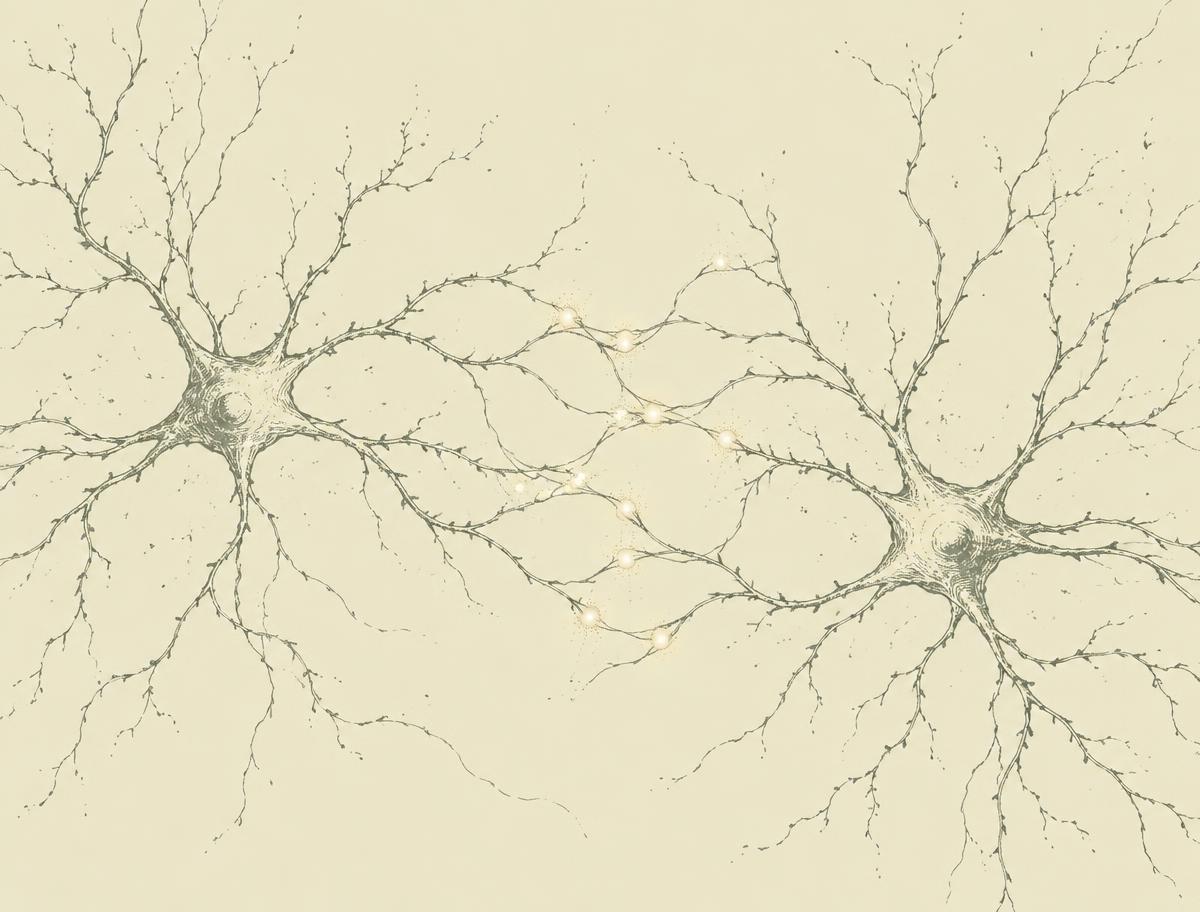
rTMS changes cortical excitability through frequency-dependent mechanisms, allowing targeted regulation of neural network activity.
- Excitatory vs. inhibitory effectsHigh-frequency stimulation (≥ 5 Hz) produces long-term potentiation (LTP)-like effects, enhancing activity in targeted cortical and subcortical circuits. Low-frequency stimulation (≤ 1 Hz) reduces hyperexcitability in overactive regions.
- Neurochemical modulationOver the dorsolateral prefrontal cortex (DLPFC), high-frequency rTMS increases dopamine and glutamate release in connected limbic regions such as the subgenual anterior cingulate cortex and orbitofrontal cortex. This strengthens top-down control over limbic and striatal circuits, supporting mood regulation and cognitive control.
- Pain modulation and sensorimotor effectsIn chronic pain and fibromyalgia, motor cortex stimulation engages endogenous opioid pathways and restores GABA-mediated intracortical inhibition. It also strengthens descending inhibitory (analgesic) pathways, contributing to lasting reductions in pain.
- Network-level reorganisationFunctional connectivity studies show increased dwell time in sensory and visual networks and reduced rigidity in frontoparietal control networks, correlating with better cognitive flexibility, reduced craving and mood stabilisation.
Together, these effects explain rTMS's transdiagnostic efficacy: by rebalancing neurochemistry, restoring cortical inhibition and re-establishing healthy network dynamics, rTMS often improves mood, anxiety and cognitive symptoms alongside the primary outcome.
Is rTMS safe?
Yes. rTMS has been used safely in clinics worldwide for more than twenty years and has an excellent safety record.
- Recognisedcleared by the US FDA for depression since 2008.
- Gentlenon-invasive, medication-free, and most people find it comfortable.
- Expert-ledour practitioners are highly specialised in neuromodulation and stay with you throughout every session, supported by a world-class clinical advisory board.
Side effects are rare and usually mild, such as brief tingling or light scalp discomfort during treatment.
The only significant risk is a seizure, and it is very rare: about 0.003% of sessions, or roughly 1 in 33,000 (a conservative figure). When one does occur, it is brief, stops on its own and leaves no lasting harm. We have never seen one at Naya Health, and each patient is screened beforehand to check for anything that could raise their individual risk.
Will it work for everyone?
No treatment works for everyone. rTMS has shown benefit for most people across conditions such as chronic pain, fibromyalgia, depression, anxiety, OCD, trauma and some addictions. At Naya we go further to improve your chances:
- Gold-standard devices for the best possible outcomes.
- Personalised protocols, with whole-person care.
- Close monitoring, so we can adapt your programme if needed.
- A calming cliniclighting, sound, scent and furniture are designed to help you relax, because treatment works better when you do.
How long do results last?
Research shows benefits can last many months, sometimes years, after a full course.
Some people choose occasional maintenance sessions to keep symptoms at bay. Like fitness, keeping your brain networks in good shape can need the odd refresher.
We also offer lifestyle and longevity support, and a gym within the clinic to help your rehabilitation.
Suitability
Is it suitable for everyone?
We treat people aged 16 and over. For 16 and 17 year olds, a parent or guardian gives consent and joins the assessment, and with your permission we work alongside your child's GP and any CAMHS team. Humm finance is for over-18s, so a parent applies.
Not quite. We usually can't offer rTMS if you have:
- certain metal implants in the head
- cochlear implants
- a history of epilepsy (we'll discuss this case by case)
Some severe psychiatric conditions need to be stable before starting. We'll always check your suitability carefully first.
The quickest way to find out is our short suitability check or a free 30-minute discovery call.
Is it safe during pregnancy?
For depression and some pain conditions, rTMS is considered a safer alternative to medication in pregnancy, as it involves no drugs or anaesthesia.
Research is ongoing, but published studies have not shown harm to mother or baby. We assess each case individually, together with your obstetric team.
I’ve tried rTMS before and it didn’t work. Why might this be different?
Not all rTMS is the same. Results depend on:
- device quality
- practitioner expertise
- the clinic environment
- frequency and target location
- the number of sessions
We don't compromise on any of these. We personalise targeting to your condition, use higher intensities where indicated, and monitor closely to adjust settings. Sleep, exercise and other lifestyle changes can support your progress, and your clinician can advise on them.
It's a bit like physiotherapy: the right exercises, done the right way, at the right intensity and with expert guidance, make all the difference.
Your treatment
What happens during a treatment session?
- Precise measurementsso the pulses reach exactly the brain or body area most relevant to your condition.
- Your motor thresholdwe find the stimulation level that's right for you.
- Treatmentyou stay awake and comfortable, hearing a gentle tapping as the device works.
Standard sessions involve about 23 minutes of stimulation, though this varies from person to person.
Do I need to prepare?
Very little. We suggest you:
- stay hydrated
- limit caffeine before your session
- keep the rest of your day as stress-free as you can
Will I be able to drive afterwards?
Most people carry on with their day as normal, including driving.
For your first visit, you may want to arrange other transport in case you feel tired.
How many sessions will I need?
10–20 sessions, about 4 weeks. Your doctor reviews progress at session 10; if it isn't helping, you stop and pay nothing more.
Shorter and longer programmes have their own schedules. Accelerated treatment courses are available. See pricing.
For physical symptoms such as lower back pain, sciatica and muscle injury, peripheral magnetic stimulation (pMS) often works quickly, and five sessions are often enough.
How soon will I notice a difference?
- Muscle pain and injuryoften quick relief, sometimes from the first session.
- Long-term conditions (such as fibromyalgia or depression): usually more gradual. Some people feel lighter, calmer or more focused within the first week; others improve steadily over two weeks.
We track measures such as mood scores, pain ratings and cravings, so you can see your progress even when day-to-day changes feel subtle.
What if my symptoms come back?
Brains, like bodies, can drift back into old patterns, especially after stress, illness or other triggers.
If symptoms return, a short booster course can get you back on track. Some people prefer a planned maintenance schedule (for example monthly, quarterly or twice a year) to keep their progress steady.
Can I combine this with medication or therapy?
Yes. rTMS often works best as part of a wider plan. It's safe alongside most antidepressants, pain medicines and talking therapies.
We'll review what you currently take and work with your other clinicians so your care is joined up.
What is heart-brain coupling, and how does it improve treatment?
We are the UK's first clinic to offer heart-brain coupling, a clinically validated technique recommended by Professor Alexander Sack and rTMS researcher Eva Dijkstra.
- Why it mattersyour heart and brain are always communicating. When that balance slips through stress, pain or low mood, it can feed symptoms such as chronic pain, anxiety, brain fog and post-viral fatigue (including long COVID).
- The targeta deep region called the sgACC helps regulate stress and emotion. We can't reach it directly, so we stimulate a connected region, the DLPFC, which helps calm and reset those stress circuits.
- Personalising itwe watch your heart rate during stimulation. A brief slowing shows we've found the best-connected spot for you.
Early data shows this heart-guided approach can improve results in depression, chronic pain and related conditions.
Conditions
What conditions can it help?
We follow the latest research so we can tailor programmes to your condition. rTMS is supported by clinical evidence for:
- Chronic painincluding fibromyalgia and hypermobility
- Muscular painsuch as injury, sciatica and lower back pain
- Treatment-resistant depressionwhen medication alone hasn't helped
- Anxiety disordersincluding generalised anxiety, PTSD and panic disorder
- Addictionnicotine, alcohol and some substance use disorders
- Long COVIDparticularly fatigue and brain fog
Can it help with chronic pain like fibromyalgia or pain linked to hypermobility?
Yes. rTMS is well studied for conditions where the brain amplifies pain, such as fibromyalgia and hypermobility syndromes.
It helps recalibrate the brain's pain-processing networks, often bringing less fatigue, better sleep and clearer thinking. A systematic review found rTMS beneficial for fibromyalgia, migraine, nerve pain and centrally driven pain syndromes.
Can it help with anxiety disorders?
Yes. Studies show rTMS can ease generalised anxiety disorder, PTSD and panic disorder by targeting the networks that handle emotion and stress.
Many patients describe a calmer baseline, fewer spikes of anxiety and more resilience to stress.
Can rTMS help with perimenopause and menopause symptoms?
Many women feel dismissed when they seek help for mood changes, fatigue and brain fog in perimenopause and menopause. Too often the focus is only on hormones.
rTMS offers a safe, drug-free way to help. By gently resetting the brain pathways involved in mood, stress and thinking, it can ease anxiety, lift low mood and support clearer thinking.
NICE guidance (IPG542) supports rTMS for depression with normal clinical governance. It is cleared by the US FDA for depression since 2008, and studies show it helps anxiety and stress-related symptoms that are common during menopause.
What’s the evidence for rTMS in depression?
NICE guidance (IPG542) says the evidence on rTMS for depression shows no major safety concerns, that the evidence on its short-term effectiveness is adequate although the response varies, and that it can be used with normal arrangements for clinical governance and audit.
Decades of research and large clinical trials show it can reduce symptoms, improve daily life and, for some people, lead to full remission. It works by retraining the brain circuits involved in mood, which can be underactive in depression.
Can it help with long COVID symptoms?
Emerging studies suggest rTMS may ease long COVID symptoms such as brain fog and fatigue.
Imaging shows reduced blood flow in areas linked to brain fog, and early evidence suggests rTMS can improve blood flow and thinking. A pilot trial at UCLA is now testing its effect on fatigue and cognition.
What about muscular pain and injury?
We use peripheral magnetic stimulation (pMS): a coil placed directly over the painful muscle or nerve, for muscular, sciatic and soft-tissue pain.
Every session is delivered by a trained osteopath and often includes hands-on alignment, exercise and holistic care. Repeated studies show PMS reduces pain and improves movement.
Cost and insurance
What is the cost?
Most programmes are 10–20 sessions, paid per block of 10 (£3,975 per block), with a doctor's review at session 10. 10-session programmes from £3,400. The free call costs nothing.
After your free call, the doctor consultation is part of your programme. It costs £299 only if the doctor says you're suitable and you decide not to go ahead. If you book a doctor consultation online on its own, it's £299 upfront, refunded in full against a full course booked within 60 days.
0% interest available. Pay block by block as you go, or spread the cost over 12 months at 0% interest with Humm. Nothing is added along the way. Humm finance is for UK residents aged 18 and over, subject to status and approval.
Recognised by WPA, Cigna and Bupa Global for every condition we treat. Bupa UK (including most company schemes): by application; AXA Health: by application; Aviva: by application; Vitality: by application; Other insurers: by application. Tell us your insurer and we'll check your cover, in writing, before you commit to anything.
See full pricing.
Is there a fee for the doctor consultation?
After your free call, the doctor consultation is part of your programme. It costs £299 only if the doctor says you're suitable and you decide not to go ahead. If you book a doctor consultation online on its own, it's £299 upfront, refunded in full against a full course booked within 60 days.
What payment options do you offer?
0% interest available. Pay block by block as you go, or spread the cost over 12 months at 0% interest with Humm. Nothing is added along the way. Humm finance is for UK residents aged 18 and over, subject to status and approval.
See pricing for the Humm representative example.
Will my insurance cover treatment?
Recognised by WPA, Cigna and Bupa Global for every condition we treat. Bupa UK (including most company schemes): by application; AXA Health: by application; Aviva: by application; Vitality: by application; Other insurers: by application. Tell us your insurer and we'll check your cover, in writing, before you commit to anything.
Depending on your policy, we can bill Cigna Global or Bupa Global directly, or you can pay and claim it back.
Is my information kept confidential, and will you tell my GP?
Your information is confidential. With your consent we keep your GP informed, because your GP manages your medication and other care. You can choose to be treated without us contacting your GP, though we don't recommend it, and your doctor will talk this through with you. If you claim on insurance, your insurer receives the information it needs to process your claim.