Naya Health / Chronic pain & fibromyalgia · Marylebone, London
You're tired of being told the tests came back normal.
rTMS for chronic pain and fibromyalgia: rewiring the brain at its root · London
The pain is real, even when the scans don't show it. You may have been through physiotherapy, pain management programmes and medication, with some relief but never quite enough. Good days let you believe things are improving; bad days take that back. You've learned to plan your life around a pain that won't resolve.
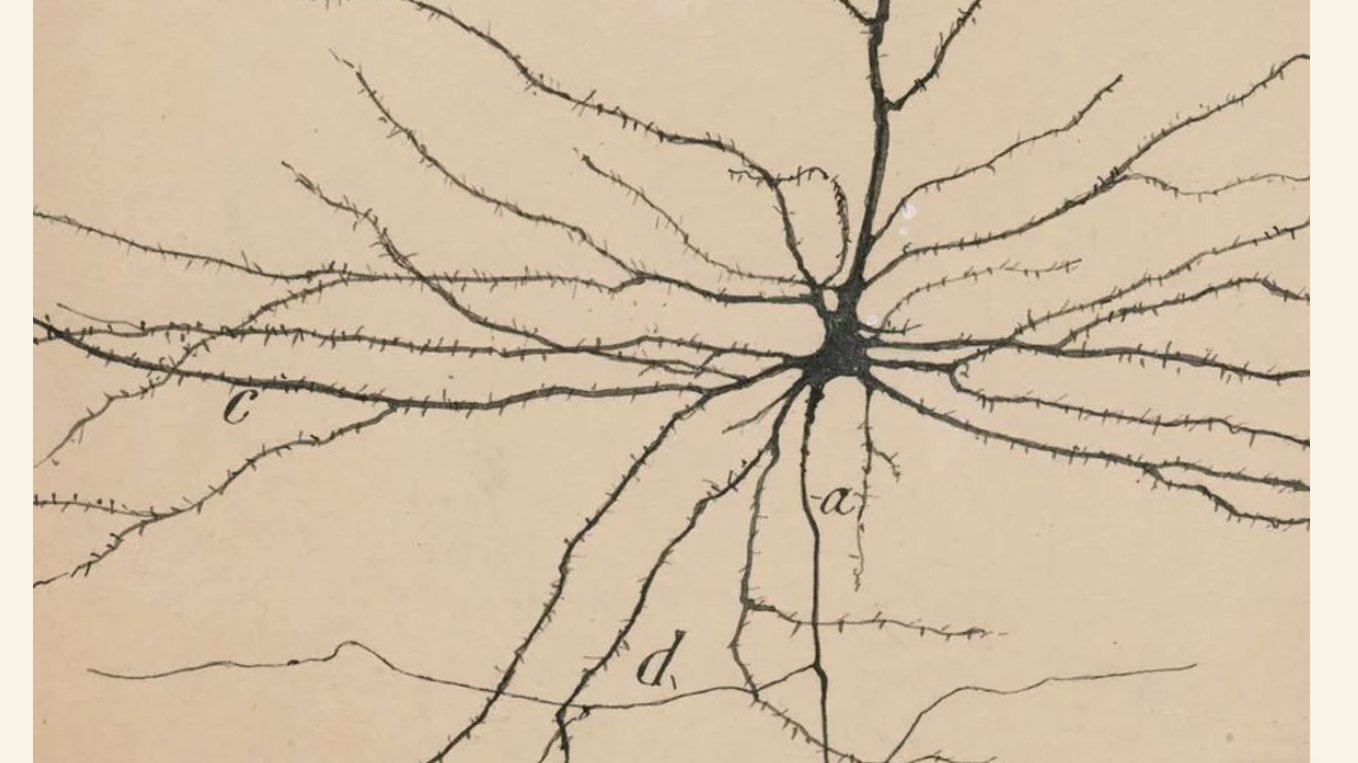
Chronic pain is a neural experience, not just a physical one. The brain's pain-processing circuits can become persistently overactive, amplifying signals long after the original cause has healed, a state called central sensitisation. rTMS is a drug-free treatment that works on those circuits directly with gentle, targeted magnetic pulses. For some people it follows medication and physiotherapy. For others, it's where they choose to begin.
Consultant-psychiatrist ledOne small clinical team
Heart-brain couplingPersonalised targeting
Your first step
Talk it through with a clinician.
Leave your details and we'll call to arrange your free 30-minute discovery call, at a time that suits you. There's no need to share medical details here. You can tell us as much or as little as you like on the call.
Naya Health is a CQC-registered precision brain health clinic in Marylebone, London. We provide drug-free rTMS for chronic pain, fibromyalgia and neuropathic pain, guided by NayaScore™, our own brain health assessment. Your first call is free.
Pain and the brain
Pain is processed in the brain. That is where we work.
Who it's for
Does this sound familiar?
You have good days and bad days, and you can never quite predict which one you'll get.
You've had to cancel plans more times than you'd like to admit.
Scans and tests keep coming back normal, but the pain hasn't gone anywhere.
Medication, physiotherapy or pain management programmes have helped, but not enough.
You're exhausted, not just from the pain itself, but from explaining it to people who can't see it.
If any of these feel familiar, a free call is a good place to start. You don't need a GP referral.
What Naya patients report
93%would recommend Naya
77%report their symptoms improved
81%report a better quality of life
86% of our patients with a pain-related condition report improved symptoms, a better quality of life, and would recommend us.
From Naya patients we’ve followed up with, 2026. Everyone’s experience is different.
Where we work
Different areas. Different roles.
Mood, worry, focus and pain each lean on different brain networks. Your assessment and heart-brain coupling help decide where we stimulate.
Chronic pain & migraine
A strip across the top of the brain. Stimulating it can change how pain signals are processed.
An illustration, not a scan. Your clinician explains the evidence for your condition.
Heart-brain coupling: your heart's response helps confirm the target.
Precision rTMS for chronic pain · London
When pain outlasts its cause, we work at its neural root.
Chronic pain is a neural experience. The circuits driving it are measurable, targetable and capable of change.
The experience of chronic pain runs far deeper than the site of pain itself. The brain, through its circuits governing perception, emotional regulation and threat response, plays a central role in how pain is produced and sustained.
In chronic pain, fibromyalgia and neuropathic pain, these circuits can become dysregulated, amplifying pain signals long after the original cause has resolved. Precision rTMS works directly at those circuits, gently recalibrating how pain is processed and regulated. Non-invasive, drug-free, and guided by objective measurement throughout.
Read more
Chronic pain is one of the most undertreated conditions in modern medicine. Fibromyalgia alone affects an estimated 1 in 20 people in the UK.
Conventional approaches such as medication, physiotherapy and pain management programmes have an important role to play, and for many they bring meaningful relief. For a significant number of people, the pain persists.
Naya was built for that gap: precision neuromodulation, rewiring the brain at its root, guided by objective measurement from the first session to the last.
A precision rTMS clinic in London
A chronic pain clinic built on precision rTMS
One team, one plan. You explain yourself once, on your free call, and your clinical team carries it from there.
Naya Health is a precision neuromodulation clinic in Marylebone, London. We work with a range of chronic pain presentations, including fibromyalgia, neuropathic pain, chronic musculoskeletal pain, chronic tension, and pain alongside depression, anxiety or fatigue.
Your treatment is led by expert clinicians and consultants, alongside a specialist team of neuromodulation practitioners. Each protocol is personalised, mapped to your NayaScore™ baseline, and refined with care throughout your programme.
Read more
Your discovery call notes go with you. When you sit down with the doctor, they've already read them, so you're not going through years of normal scans and tried treatments again.
If medication, physiotherapy or pain programmes have helped but the pain persists, that isn't a failure on your part. rTMS is a different route in, working alongside what's come before rather than replacing it.
Every presentation
rTMS for fibromyalgia and chronic pain: precision neuromodulation for every presentation
Pain looks different for everyone. Find the one that sounds most like you. Each opens up if you'd like the detail.
When pain becomes the pattern
Chronic pain and fibromyalgia: widespread pain, fatigue, brain fog and broken sleep, driven by a brain whose pain networks have stayed switched on.
Read more
Chronic pain and fibromyalgia are characterised by widespread pain, fatigue, cognitive difficulty and sleep disruption. At its neurological core is central sensitisation, where the brain's pain networks become persistently overactive, amplifying signals across the body.
rTMS works directly at those networks, targeting the prefrontal circuits involved in pain regulation to gradually restore more adaptive processing. Non-invasive, drug-free, and grounded in objective measurement, it addresses the condition at its neurological source.
Neuropathic pain
Nerve pain has one of the strongest evidence bases for rTMS of any chronic pain presentation.
Read more
Neuropathic pain arises when the nervous system itself becomes the source of pain signals, generating persistent discomfort without ongoing tissue damage. The brain's pain-processing pathways become sensitised and dysregulated, sustaining pain that conventional treatments often struggle to reach.
Precision rTMS targets those pathways directly. Through gentle, repeated stimulation of the prefrontal circuits involved in pain modulation, it works to recalibrate the patterns sustaining neuropathic pain.
Pain alongside low mood, anxiety or fatigue
Pain rarely arrives alone. We treat the combination within one pathway, not one condition at a time.
Read more
Fibromyalgia, chronic fatigue and depression frequently coexist with chronic pain, sharing overlapping circuits in pain processing, mood regulation and autonomic function. Pain worsens mood, fatigue deepens the pain experience, and low mood lowers the threshold at which pain is felt.
Our approach works across these shared circuits, with each protocol personalised to you. See our pages on depression, anxiety and chronic fatigue.
Muscle pain and persistent tension
Several of our practitioners are osteopaths, so the muscles involved are treated alongside the brain.
Read more
For chronic musculoskeletal pain or persistent tension that hasn't resolved with conventional approaches, neuromodulation offers a more direct route to the circuits involved.
Our osteopath practitioners can assess and treat the muscular structures involved alongside precision rTMS. Where clinically appropriate, the same gentle magnetic pulses can also be delivered directly to affected muscles.
What the evidence says
Our results, then the research
Our patients
86% of our patients with a pain-related condition report improved symptoms and a better quality of life, and would recommend us.
The research
A multi-centre randomised trial in women with severe fibromyalgia (British Journal of Anaesthesia, 2025) found a 99.4% probability that active rTMS outperforms sham in halving pain (a 50% or greater reduction) at week 8. Average pain reduction was more than double: 40.4% with active rTMS vs 18.4% with sham. European guidelines also rate rTMS as effective for nerve pain.
Our figures come from an early, growing patient dataset, not a controlled trial. Individual results vary, and your clinician will check if rTMS could be suitable for you.
Only at Naya Health
NayaScore™
Objective measurement at every stage of your treatment
Most pain assessments capture how pain feels. NayaScore™ adds an objective layer, so you can see what is shifting beneath the surface.
01
Precision targeting
Your protocol is mapped to the circuits involved in your pain, so stimulation reaches where it's needed.
02
Evidence of change
A clear, measurable picture of how your brain is restoring and recalibrating across your programme.
03
A shared picture
Your data can be shared with your GP, pain specialist or therapist for a joined-up view.
04
A record over time
Your baseline builds over months and years, so changes are spotted early.
Read more
Self-reported measures have value, but they capture how pain feels rather than the neurological patterns generating it.
NayaScore™ draws on heart rate variability, cognitive function, metabolic markers and clinical assessment to build a baseline of your brain's regulatory capacity: a measurable foundation from which to restore, regulate and recalibrate. NayaScore™ is proprietary to Naya Health and unavailable at any other clinic.
CQC-registered clinic (at Until, Marylebone)
8,000+ treatments delivered by our practitioners
Clinical team led by a consultant psychiatrist
Marylebone, next to Selfridges
As featured in
Precision, made personal
Your brain. Your heart. Your treatment.
Most clinics treat a standard spot. At Naya, we look for the target that fits you.
Heart-brain coupling uses your heart’s response to stimulation to help identify a target connected to the brain’s regulatory networks. Your clinical assessment and NayaScore™ baseline bring the wider picture into focus.
A targeting tool within your clinical plan, not a guarantee of a better outcome. Your clinician will explain the evidence for your condition.
Your rTMS treatment for chronic pain: what to expect
01
Step 1: A free conversation
A free 30-minute call with a clinician about what you've been living with and what you've tried.
02
Step 2: A doctor consultation
If rTMS looks right for you, you'll speak with one of our doctors.
03
Step 3: Your assessment
Every journey begins with a NayaScore™ assessment: an objective, multi-domain measure of your brain health, giving a precise baseline of how your brain is currently processing pain.
04
Step 4: Your personalised programme
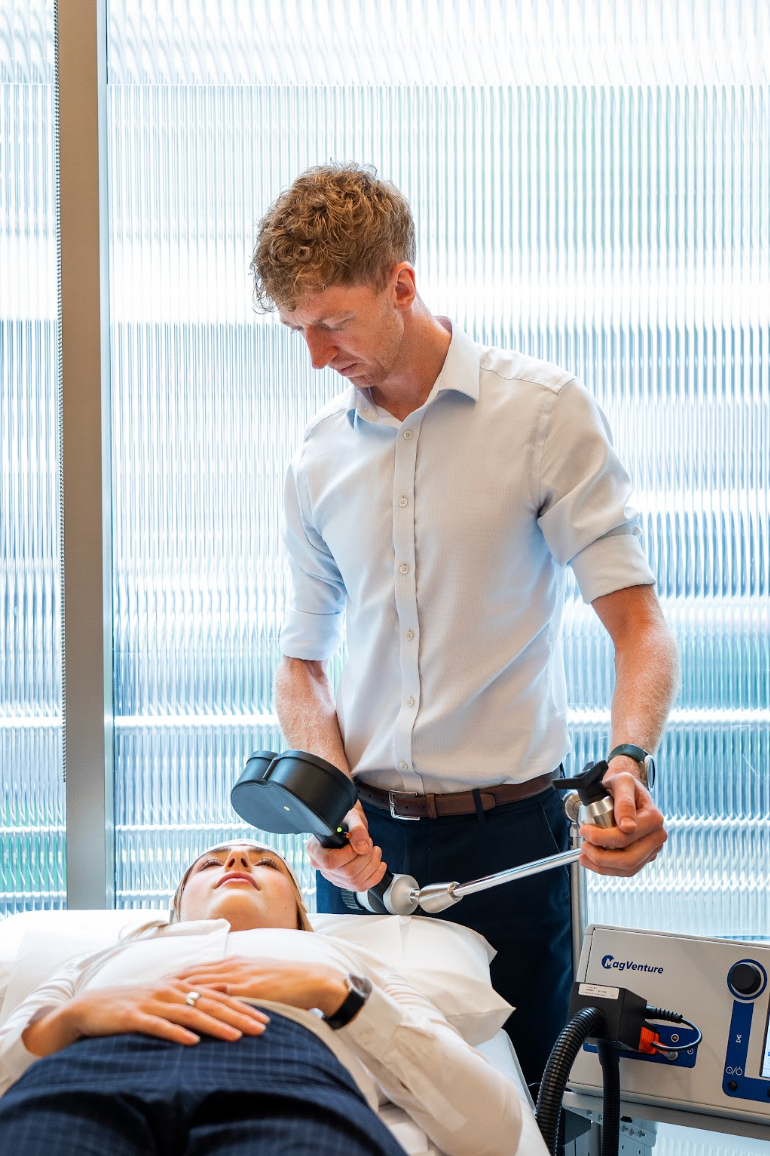
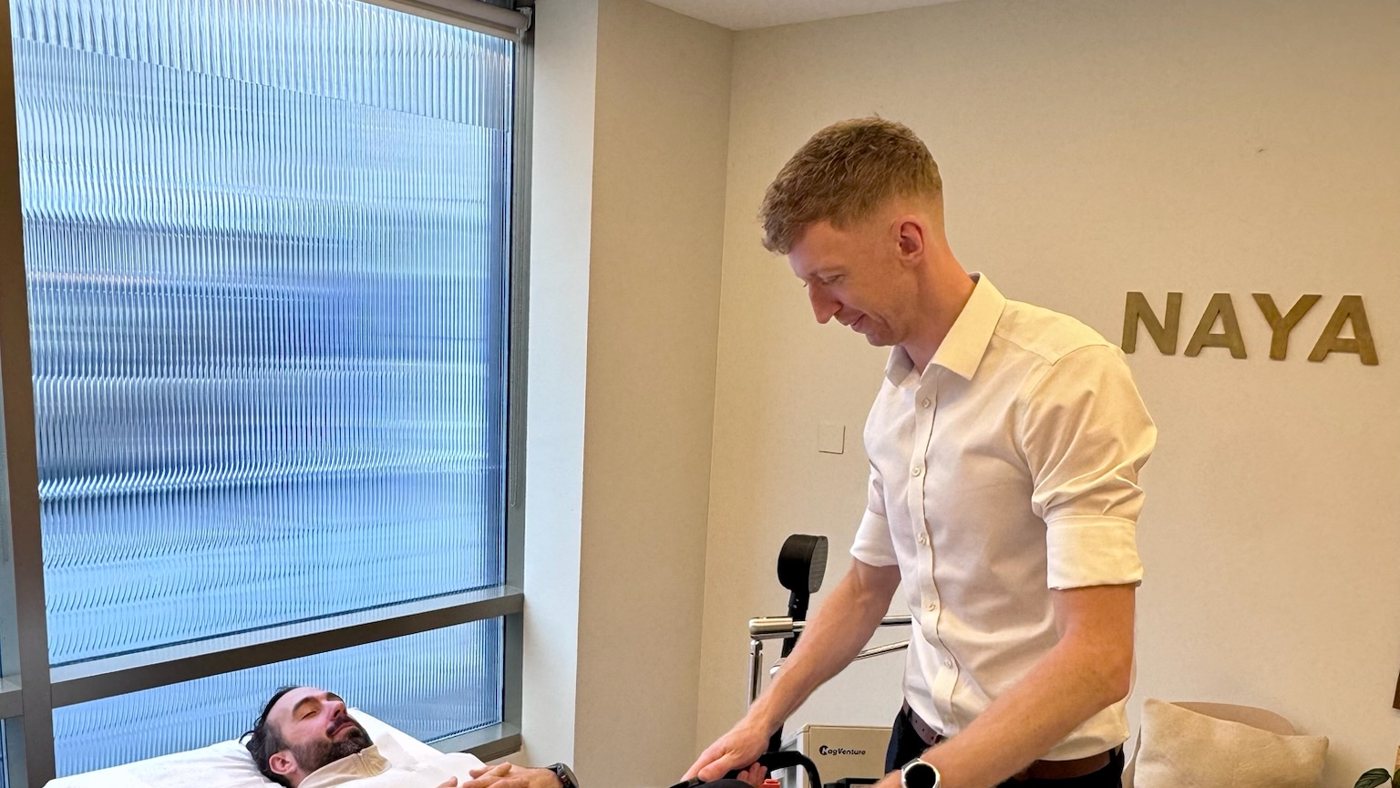
Usually up to 20 sessions of around 30 minutes in Marylebone, comfortable and awake, with no anaesthesia or recovery time.
05
Step 5: Measurement and next steps
Your NayaScore™ tracks how your brain is recalibrating.
Our clinic was designed by neuroscientists to help you feel at ease, from the scent and temperature to music, or silence if you prefer. Several of our practitioners are also osteopaths, able to assess the muscular structures involved in your pain alongside rTMS. Tea, coffee and water are on hand, and you're welcome to bring a friend or relative.
L. · Chronic pain and fatigue, EDS and PoTS
“The team is always caring, professional, and supportive throughout. Everything was explained clearly, and the use of measures such as blood tests and HRV tracking gave me confidence in the process. The team made what initially felt like a daunting experience feel safe and manageable. I would highly recommend them.”
Every person responds differently to rTMS. L.'s experience is her own, shared with her written permission, and is not a promise of the same outcome for everyone.
Yes. rTMS is well tolerated, with a strong safety record. There's no anaesthetic and no recovery time, and you can drive home afterwards.
For those who have carried the side effect burden of long-term pain medication, this is one of the most significant aspects of what rTMS offers. Where side effects occur, they're mild and transient: most commonly a mild headache on the night of treatment, or some fatigue, which can be addressed by adjusting session frequency.
Read more
The only significant risk is a seizure, and it is very rare: about 0.003% of sessions, or roughly 1 in 33,000 (a conservative figure). When one does occur, it is brief, stops on its own and leaves no lasting harm. We have never seen one at Naya Health.
Before you start, your doctor checks your medical history, your medication and any personal or family history of epilepsy, to look for anything that could raise your individual risk. The only absolute contraindication is metal plates or implants in the head, which your clinician will screen for.
Simple pricing
One clear price, agreed up front
From £3,975 for the first ten sessions
or £662.50 a month for 12 months at 0% with Humm
Insured patients
Naya is recognised by WPA for every condition we treat. Other insurers by application; Bupa Global and Cigna consider every condition. We’ll support your application.
0% APR representative. Finance is provided by Humm. All applications are made directly with Humm and are subject to status and approval. You must be 18 or over and a UK resident.
The science, simply
Interested in the detail?
How rTMS works for chronic pain and fibromyalgia, what the research shows and how we choose where to treat. Each answer opens up if you'd like to read more.
How it works
How does rTMS treat chronic pain and fibromyalgia?
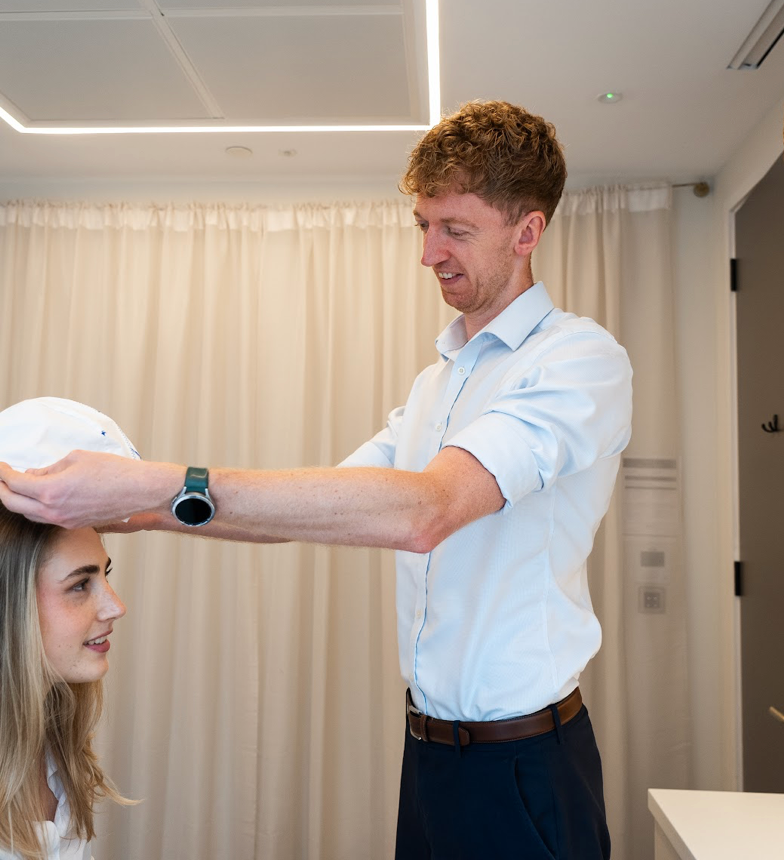
A magnetic coil resting on your head gently stimulates prefrontal circuits involved in how pain is processed and regulated. Over a course of sessions, those circuits are thought to recalibrate, and for many people the pain, and sometimes the fatigue and brain fog alongside it, begins to ease.
Read more
Chronic pain and fibromyalgia are characterised by widespread pain, fatigue, cognitive difficulty and sleep disruption. At the neurological core is central sensitisation, a state where the brain's pain networks become persistently overactive, amplifying signals across the body long after the original cause has resolved.
The brain is plastic: its circuits can strengthen and reorganise at any age. rTMS (repetitive transcranial magnetic stimulation) stimulates the prefrontal circuits involved in pain regulation in repeated sessions, aiming to gradually restore more adaptive processing.
Before each session, NayaState™ preparation helps your brain arrive in the best state to respond, because the state your brain is in at the moment of stimulation affects how it responds.
Evidence
rTMS for chronic pain and fibromyalgia: what the evidence shows
Halving pain in responsive patients. In a multi-centre randomised trial in the British Journal of Anaesthesia, women with severe fibromyalgia had a 99.4% probability of a 50% or greater pain reduction at week 8 with active rTMS compared with sham, and average pain fell by 40.4% vs 18.4%.3 European expert guidelines rate rTMS as having “definite efficacy” for nerve pain and “probable efficacy” for fibromyalgia. In one sham-controlled trial, pain improved with treatment and the benefit lasted to six months. Your clinician will talk through what this means for you, and your NayaScore™ will check how you're responding.
A 2025 study found significant improvements in pain severity, mood and overall symptom burden following a course of 20 sessions.1 Neuropathic pain has one of the stronger evidence bases of any chronic pain presentation for rTMS, where the nervous system itself becomes the source of pain signals.
Read more
Research findings do not guarantee an individual outcome, and response varies by individual. Where improvements occur, research suggests they can persist for weeks to months following a course, and top-up sessions may help restore relief if symptoms return. Your clinical team will advise on whether a maintenance protocol is right for you.
Fibromyalgia alone is estimated to affect around 1 in 20 people in the UK. Conventional approaches such as medication, physiotherapy and pain management programmes have an important role to play, and for many they bring meaningful relief; for others, the pain persists.
Finding your target
Finding the right target for your brain: heart-brain coupling
Where your presentation involves autonomic dysregulation, we test several possible sites before treatment and watch how your heart responds, so we can confirm the network has engaged before we treat.
Read more
The neural pathways that govern pain perception, stress and emotional regulation are closely connected to cardiac function. In chronic pain and fibromyalgia, this system is frequently dysregulated, and the heart provides a measurable, accessible window into that state.
This technique, called heart-brain coupling, was developed by researchers including Prof Alexander Sack, Naya's Scientific Advisor.2 We are the only clinic in the UK with an advisory relationship with Professor Sack and, through this partnership, currently the only UK clinic to offer it. Specific treatment targets vary depending on your presentation, and your protocol is designed accordingly.
Your questions
Questions people often ask
How can rTMS help with fibromyalgia pain and fatigue?
Fibromyalgia involves central sensitisation, a state in which the brain's pain-processing networks become persistently overactive. rTMS works at those networks, targeting the prefrontal circuits involved in pain regulation. Alongside pain, some patients notice changes in fatigue, mood and cognitive clarity, reflecting the shared neural circuits involved; your clinician will check how you're responding as treatment progresses.
How many rTMS sessions will I need for chronic pain?
Most people complete a course of up to 20 sessions, each around 30 minutes. Some complete a course in as little as a week; others spread it over several weeks. Your protocol is personalised and refined throughout, and your clinical team will guide you based on how you respond.
How long does pain relief from rTMS last?
Response varies by individual. Research suggests improvements in pain and symptom burden can persist for several weeks to months following a course. If symptoms return over time, top-up sessions may help restore relief; your clinical team will advise whether a maintenance protocol is appropriate for you.
What is neurocardiac-guided rTMS?
It's a way of finding the right treatment target using your own biology. By measuring heart rate response across several possible stimulation sites, we identify the one that most effectively engages your regulatory brain network. It's most relevant where autonomic dysregulation is part of the picture, and Naya is currently the only UK clinic offering it.
Can rTMS help chronic pain alongside depression or anxiety?
Yes. These conditions frequently coexist and share overlapping neural circuits in pain processing, mood regulation and autonomic function. Your protocol can be designed to address symptoms beyond your main concern within the same treatment pathway.
Do I need a referral from my GP?
No. You can come to us directly, or your GP, pain specialist or another clinician can refer you, whichever is easier. Before any treatment starts, you'll have a consultation with one of our doctors to go through your medical history and make sure rTMS is right for you.
Is rTMS safe, and are there side effects?
Yes. rTMS is well tolerated, with a strong safety record. The most commonly reported side effects are a mild headache on the night of treatment, or some fatigue, which settle quickly. Seizures are very rare: about 0.003% of sessions, or roughly 1 in 33,000, and we have never seen one at Naya Health.
Will my insurance cover it?
Naya is recognised by WPA for every condition we treat. Other insurers, including Bupa Global and Cigna, consider cover by application; we can help you check your policy and guide you through the process; we provide itemised invoices and a doctor's letter to help.
Not sure if it's right for you?
You've carried this long enough.
Tell us a little about where you are. A clinician will call, tell you more about rTMS and whether it could help. It's free, and there's no obligation.
Naya Health is not an emergency service. If you're in crisis or thinking about harming yourself, call 999 if you're in immediate danger, NHS 111 and choose the mental health option, or Samaritans free on 116 123, any time.