Celebrities Who've Had TMS, and the People Talking About It
From film sets to sports pitches, more well-known names are speaking openly about rTMS. Here's who has experienced it, who is championing it, and what they've shared.
Treatment takes place at Until Marylebone, registered with the CQC by Until Medical Ltd.
Psychiatrist-led clinical review
Heart-brain coupling
The conversation is changing
Brain health is going mainstream.
The way we think about health has shifted. Sleep, strength, recovery and nutrition are now measured, tracked and discussed openly. The brain has been slower to join them.
That is beginning to change. A growing number of well-known names, from actors and musicians to athletes and founders, are speaking candidly about brain stimulation: why they chose it, what the experience was like, and what it changed for them.
Their reasons vary. For some it was depression or anxiety. For others, focus, performance or recovery. What connects them is a shared belief that the brain deserves the same care and attention as the rest of the body.
The brain can change, and it can be measured.
What they've shared
Familiar faces, personal experiences
Some have spoken about it in interviews, others on their own platforms. Each experience is personal, and each has helped open the conversation a little further.
“The most impressive therapy I've ever tried.”
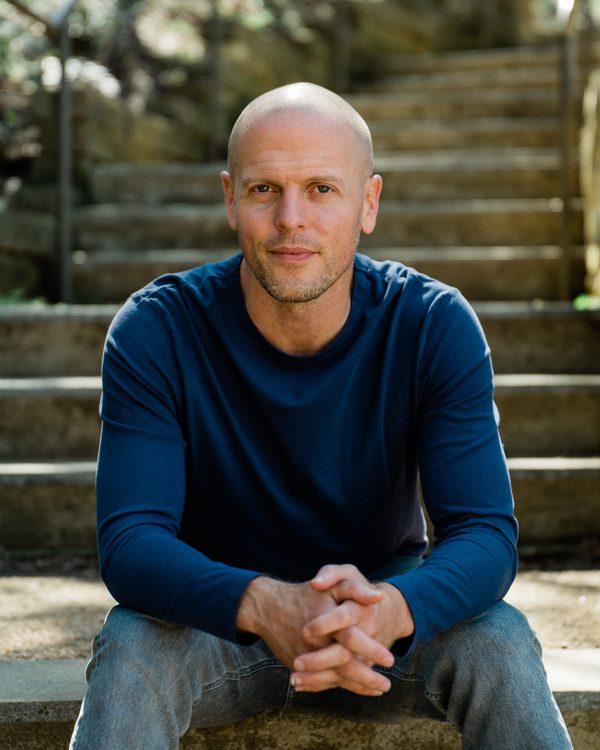
OCD, anxiety & depression · The Tim Ferriss Show · August 2024
Tim Ferriss on accelerated TMS
Tim has spoken openly about living with OCD, anxiety and recurring depression, alongside insomnia that could keep him awake for hours.
In 2024, he had an accelerated TMS course, with dozens of short sessions compressed into just a few days. He described each session as a gentle flick on the side of the head, and the days as mentally tiring, a little like cramming for an exam.
Three months on, he called it the most noticeable and lasting change he'd ever experienced. He felt calmer, and was enjoying the best sleep he'd had in decades.
“I think genuinely TMS worked, which is mind-blowing.”
Depression · Bryan Johnson, YouTube · March 2025
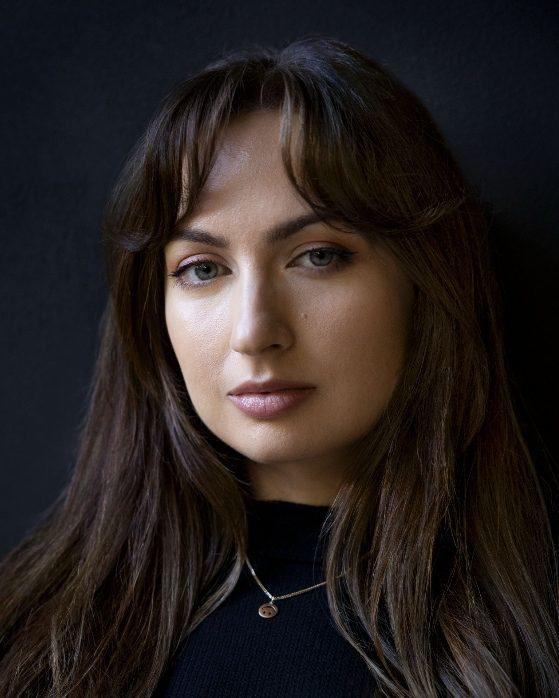
Kate Tolo on a five-day SAINT protocol
For around four years, Kate hadn't felt like herself. Rather than sadness, she described her depression as a kind of numbness, and on harder days, getting out of bed was a struggle. She didn't want to start antidepressants, and saw TMS as a sensible first step.
Over five days, she had short sessions every hour, from morning to early evening. The middle of the week brought some doubt, but on day five she woke up feeling good, and by the evening her mood had clearly lifted. Looking back, her only regret was not starting sooner.
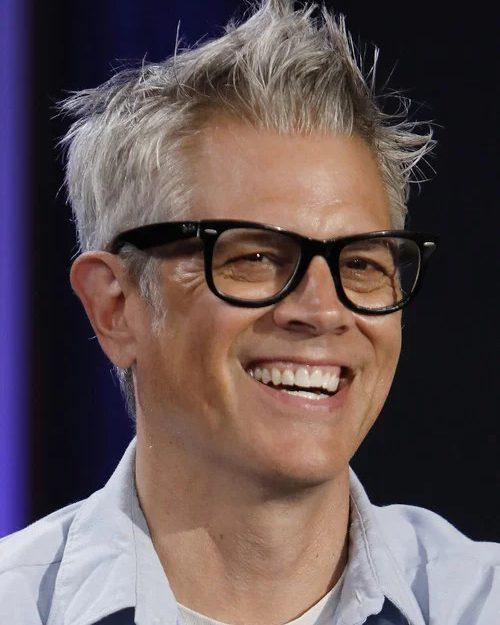
Head injury & depression · The Howard Stern Show · January 2022
Johnny Knoxville on TMS after a head injury
A stunt on Jackass Forever left Knoxville with a brain haemorrhage. Afterwards, he noticed his focus slipping, and for the first time in his life, he found himself struggling with depression.
As part of his recovery, he had around 10 to 12 TMS sessions over two months, alongside therapy and medication, to support his mood and cognitive function.
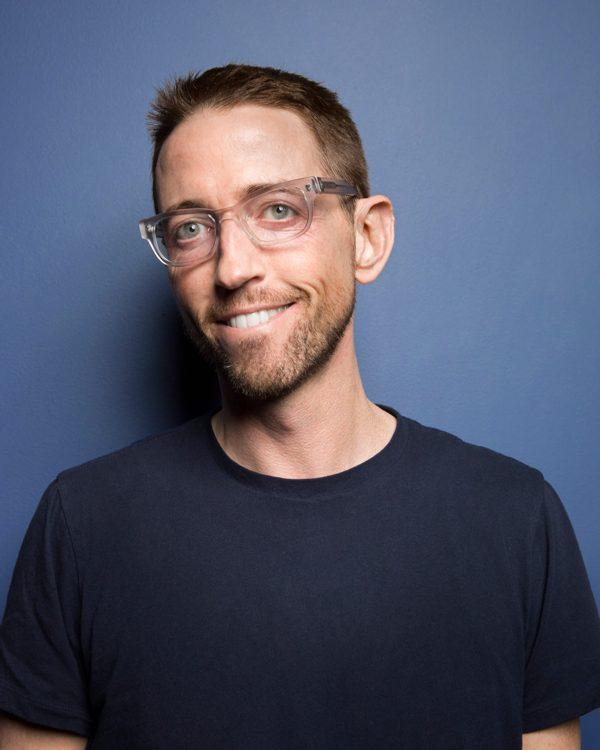
Depression · Depresh Mode with John Moe · February 2023
Neal Brennan on TMS for depression
Neal has spoken candidly about living with depression for more than two decades, and about the many routes he's explored along the way, from medication and ketamine to TMS.
He's become one of comedy's most open voices on mental health, and in 2023 shared that he was doing much better than he had been.
Dave has spent decades testing ways to help his brain and body perform at their best. In 2019, he tried TMS with psychiatrist Dr David Feifel, and wrote about it on his own site.
He found the sensation surprisingly pleasant, and described feeling happier afterwards.
“It uses a magnetic pulse that whacks your neurons into action.”
Depression · Instagram, via Yahoo News UK · July 2022
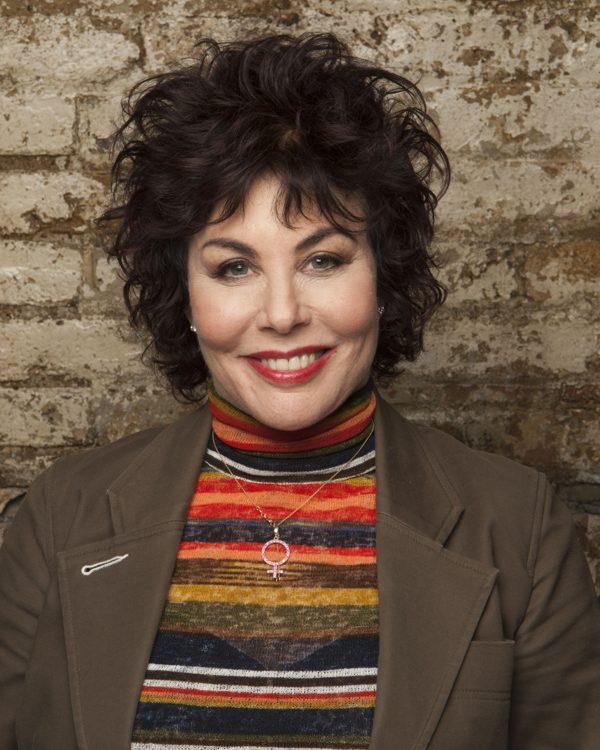
Ruby Wax on rTMS for depression
The comedian, author and mental health campaigner has spoken openly about depression for decades. In 2022, during her first depressive episode in 12 years, she had a course of 20 rTMS sessions alongside a change in her medication.
Twelve years earlier, recovery had taken months. This time, she said, it took only weeks, and she was soon feeling almost human again.
Not everyone here has had TMS themselves. Some are scientists, presenters or advocates helping more people understand what brain stimulation is, and what it could mean.
Longevity · Bryan Johnson, YouTube · March 2025
Bryan Johnson on supporting Kate through TMS
The Blueprint founder, known for measuring and refining almost every part of his health in public, encouraged Kate Tolo to try a five-day SAINT protocol for her depression. He was with her through the treatment, and shared the experience with his audience in a short film.
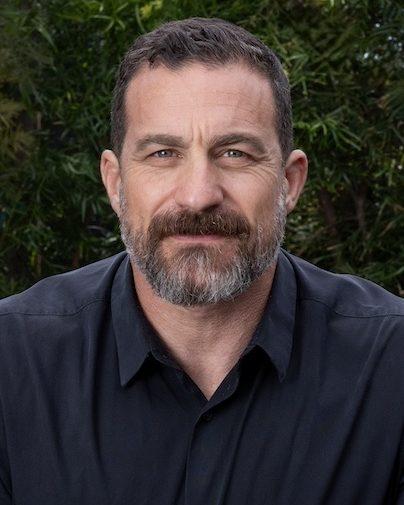
Andrew Huberman on neurostimulation and brain rewiring
The Stanford neuroscientist and Huberman Lab host dedicated an episode to TMS with the late Dr Nolan Williams, who developed the SAINT protocol at Stanford. Together they explored how targeted stimulation can help the brain's circuits change.
rTMS (repetitive transcranial magnetic stimulation) uses gentle magnetic pulses to stimulate the brain networks involved in mood, thinking and pain. Over a course of sessions, the aim is to help those networks work better together.
It's drug-free, with no anaesthetic and no recovery time. You stay awake and comfortable throughout, and can get on with your day afterwards.
For depression, it's supported by NICE guidance (IPG542) and backed by over a decade of clinical research. The evidence differs across other conditions, and your clinician will talk you through it.
Most clinics treat a standard spot. At Naya, we look for the target that fits you.
Heart-brain coupling uses your heart's response to stimulation to help identify a target connected to the brain's regulatory networks. Your clinical assessment and NayaScore™ baseline bring the wider picture into focus.
A targeting tool within your clinical plan, not a guarantee of a better outcome. Your clinician will explain the evidence for your condition.
Well-known people who have spoken publicly about having TMS include comedian and campaigner Ruby Wax, author Tim Ferriss, actor Johnny Knoxville, comedian Neal Brennan, entrepreneur Dave Asprey and Blueprint's Kate Tolo. Others, including Bryan Johnson and neuroscientist Andrew Huberman, have helped bring it into the wider conversation.
Why are more well-known people choosing TMS?
For many, it's the appeal of a drug-free approach with no recovery time. Others are drawn to the idea of caring for the brain with the same intention as the body.
Is TMS only for depression?
Depression is where the evidence is strongest. rTMS is also used for anxiety, chronic pain, fatigue and cognitive performance, though the evidence differs across conditions. Your clinician will talk you through what it shows for you.
What's the difference between TMS and rTMS?
rTMS stands for repetitive transcranial magnetic stimulation. It's the form of TMS used as a treatment, so when people talk about having TMS, they almost always mean rTMS. At Naya, we personalise where we treat using heart-brain coupling, and measure progress with NayaScore™.
What does TMS feel like?
Most people describe a pulsing sensation on the scalp. You're awake and comfortable throughout, and can get on with your day afterwards.
How much does TMS cost in London?
At Naya, sessions are paid in blocks of 10, at £3,975 per block. Most programmes are 10–20 sessions, and 0% interest is available with Humm.
Do I need a GP referral?
No. You can start with a free discovery call with one of our clinicians.
Curious about TMS?
Wondering if it could help you?
Tell us a little about where you are. A clinician will call, tell you more about rTMS and whether it could help. It's free, and there's no obligation.
The people featured here have shared their experiences publicly. They weren't treated at Naya and aren't endorsing Naya Health. Everyone responds differently, and a clinical assessment is needed to understand whether rTMS may be suitable for you.
Sources: Tim Ferriss, The Tim Ferriss Show (Aug 2024) · Kate Tolo and Bryan Johnson, YouTube (Mar 2025) · Johnny Knoxville, The Howard Stern Show, via Loudwire (Jan 2022) · Neal Brennan, Depresh Mode with John Moe (Feb 2023) · Dave Asprey, daveasprey.com (Apr 2019) · Ruby Wax, Instagram via Yahoo News UK (Jul 2022) · Andrew Huberman, Huberman Lab (Oct 2022)
This page is for information, not individual medical advice. Suitability, evidence and outcomes vary from person to person.
A conversation, not a commitment
You don’t need all the answers. Let’s start with a call.